


Congratulations! You and your family are about to adopt a small dog. You've researched everything, from the best toys for small pups to how to take your dog on holiday, but you should also be aware of some of the most common small dog health problems.
Of course, just because some health problems are common for small dogs, it doesn't mean your new family member will experience them. But as a caring pet parent, you want to be prepared for all the happy, playful times, while also knowing what to expect if anything were to go wrong. Read on to learn more about the five common health problems that small dogs may face.
1. Tracheal Collapse
The trachea, often referred to as the windpipe, is composed of small rings of cartilage with a thin membrane of tissue making up the upper surface. Tracheal collapse is a chronic, progressive condition where the cartilage rings lose some of their rigidity and the upper tissue membrane begins to sag. This condition can make it difficult to breathe.
Most dogs who experience tracheal problems are of middle age or older, though it can occasionally affect younger dogs. The most common sign of this problem is a dry, harsh cough that is sometimes referred to as a “goose honk” cough. It tends to be worse at night, with excitement, or when a collar is pulling on their neck. If your dog is coughing, it’s important to bring them to your veterinarian to determine if tracheal collapse is the cause of the cough and get recommendations on what can help.
2. Patella Luxation
Patella luxation (a dislocated/displaced kneecap) is a genetic condition that can affect any breed of dog, but The Animal Trust reports that toy and miniature breed dogs such as Poodles, Chihuahuas, Yorkshire Terriers and Pomeranians are most commonly affected.
Dogs with this condition may not always show signs, but most will carry their affected limb for a few steps and “skip” or shake their leg before returning to normal walking. This lameness generally becomes more frequent as the condition progresses and arthritis can develop. Treatment can vary depending on the severity, with surgery being recommended in more serious cases. If you notice your dog limping or “skipping”, your veterinarian should evaluate your dog and provide you with the best management options.


Tasty Tips
3. Mitral Valve Disease
One of the more serious small dog health problems takes place in the heart. During the ageing process, the valves of the heart may begin to “wear out” and leak, causing the heart to work less effectively. A leak in the mitral valve, one of the major valves on the left side of the heart, is called mitral valve insufficiency or mitral regurgitation.
Not all dogs with mitral valve disease will show signs, but the PDSA lists the most common symptoms as low energy, weight loss, breathlessness, panting, weight loss and collapse. Another common symptom is coughing that gets worse at night, or after sleeping or lying down.
Dogs with severe mitral valve problems can be at risk for congestive heart failure, so it’s important to visit your vet as soon as possible if your dog shows symptoms. Your vet will check for a murmur using a stethoscope, and may wish to perform other tests like ultrasounds, x-rays or ECGs (used to check your dog’s heart rhythm).
Unfortunately, there are no preventative methods you can take to avoid this condition. However, regular checkups mean that your veterinarian can catch the problem as early as possible and provide you with a plan for monitoring and care.
4. Dental Disease
Good dental care is important for all dogs but, due to their crowded teeth, small breed dogs tend to have higher risks of developing dental issues. The first sign of dental problems is often bad breath but you may also see tartar buildup on the teeth and reddened gums. As dental disease progresses, it can cause pain, loose teeth and trouble eating.
It is important to make sure you have a good routine in place to try and keep your dog’s teeth clean. Daily toothbrushing is the gold standard, but this habit should be started at puppy age because it can be quite difficult to establish in older dogs. There are a number of foods, treats and doggie toothpastes available to help. Make sure to check the packaging for the Veterinary Oral Health Council (VOHC) seal to ensure you choose a product that works. Your veterinarian can also recommend specific products that may help your dog and will let you know when a full dental cleaning is needed.
5. Obesity
While it can be tempting to give your small dog lots of treats, it is important to remember that this can lead to weight gain. Signs your dog might be overweight include not being able to easily feel their ribs and the loss of an obvious waist. Overweight dogs may also have trouble getting around and may be at risk for other diseases such as diabetes and arthritis.
Make sure that you’re feeding your dog the correct amount of food, offering a limited number of small treats, and giving them enough opportunity to exercise every day – even if they’re just playing with their toys at home or in the garden.
If you think your dog is overweight, contact your veterinarian. They can help you determine the ideal weight for your pup and help to get you started on an appropriate weight loss plan.
Knowing some of the common small dog health problems your new dog may face helps you to ensure you’re doing everything you can to keep them healthy. But remember — just because your dog's size makes them a potential candidate for some of these health concerns, it doesn't mean they will ever experience them. Knowing what to look out for means that you can seek early treatment from your veterinarian or even avoid certain issues altogether.

Related products
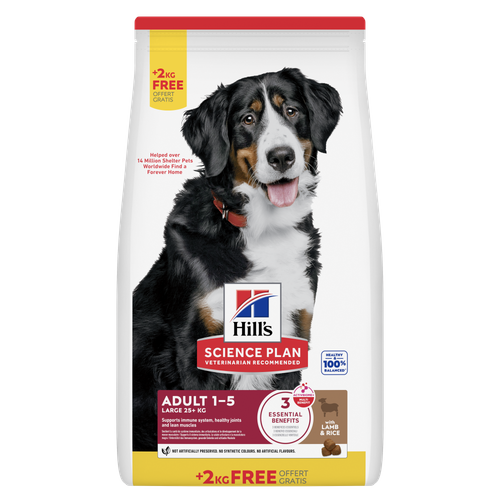
Large Breed Adult Dog Food
Hill's Science Plan Large Breed Adult Dog Food with Lamb & Rice is a complete pet food, specially formulated with ActivBiome+ Multi-Benefit Technology.
This food is specifically designed to fuel the energy needs of large breed dogs during the prime of their life.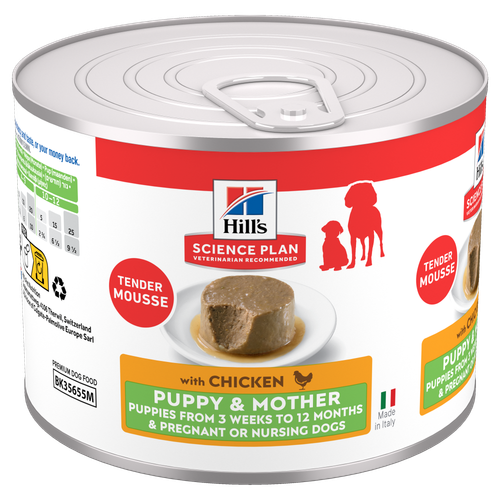
Puppy & Mother Tender Mousse Dog Food
Hill's Science Plan Puppy & Mother Tender Mousse Dog Food with Chicken is a complete premium pet food for puppies and pregnant or nursing dogs. Formulated with chicken and other specially selected ingredients, including minerals and antioxidants to support gut health and optimal growth, it comes in a soft mousse texture they'll love.
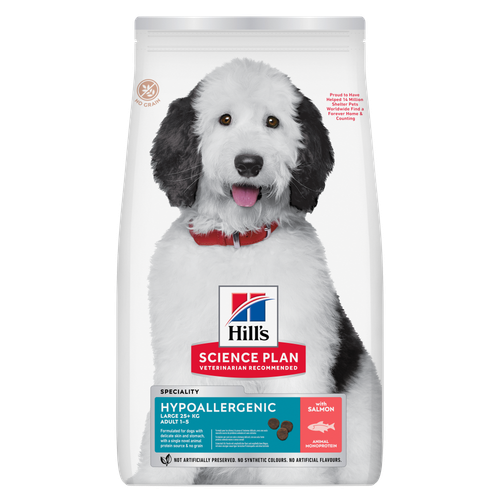
Hypoallergenic Large Breed Adult Dog Food
HILL'S SCIENCE PLAN Hypoallergenic Large breed Adult dog food with Salmon is complete pet food for adult large breed dogs 1–5 years old. It's formulated for dogs with delicate skin and stomach, with limited high quality novel protein sources & no grain.
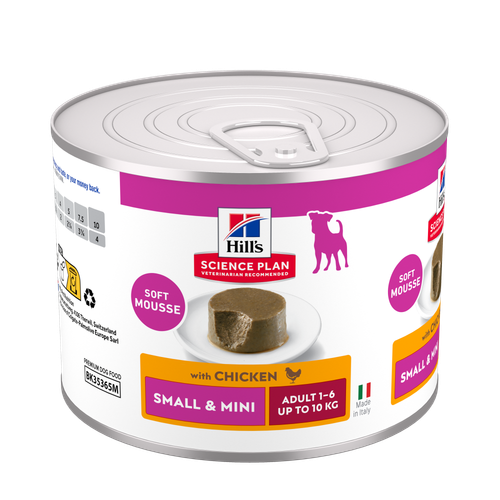
Small & Mini Adult Dog Food
Hill's Science Plan Adult Small & Mini Dog Food with Chicken is a complete premium pet food for small breed adult dogs aged 1–6 years. This deliciously smooth mousse is precisely balanced to deliver the appropriate amount of energy to support the needs of adult, small breed dogs.
Related articles

Caring For a Dog with Sensitive Skin
Dogs with sensitive skin have special needs and even healthy dogs can sometimes develop poor skin health. Learn more about sensitive skin symptoms in your dog, what you can do to help your pet feel more comfortable and get recommendations on sensitive skin dog food.

What should I do about my overweight dog?
Dog obesity is a significant problem - learn more about helping your dog become trimmer and healthier through improved nutrition.
Little dog, big waistline?
Because of their little and darling – or small and scrappy – stature, they are experts at inspiring the most coddling. They can especially excel at eliciting more treats out of their owners.
Upset Stomach - How to Help with your Dog's Upset Stomach
Learn to see the signs of an upset stomach in your dog, understand the triggers and explore some possible solutions.

Put your dog on a diet without them knowing
Our low calorie formula helps you control your dog's weight. It's packed with high-quality protein for building lean muscles, and made with purposeful ingredients for a flavourful, nutritious meal. Clinically proven antioxidants, Vitamin C+E, help promote a healthy immune system.
Put your dog on a diet without them knowing
Our low calorie formula helps you control your dog's weight. It's packed with high-quality protein for building lean muscles, and made with purposeful ingredients for a flavourful, nutritious meal. Clinically proven antioxidants, Vitamin C+E, help promote a healthy immune system.