


What is liver disease?
The liver is an important organ with many functions, including the digestion and conversion of nutrients, the removal of toxic substances from the blood, and the storage of vitamins and minerals. Because the liver works to rid the body of so many different substances, it is susceptible to damage from many different sources. Liver disease results in inflammation, known as hepatitis. If untreated, this can lead to loss of function as healthy liver cells are replaced by scar tissue. Diseases elsewhere in the body can also affect the liver’s function.
Fortunately, liver disease can be effectively managed and progression limited. Many cats go on to live happily years after their diagnosis. Proper nutrition and continuous dialogue with your veterinarian are key to managing your cat’s liver disorder.
What causes liver disease?
Factors that increase your cat’s likelihood of developing liver disease include:
Age: Several diseases, including liver dysfunction, are common in geriatric cats.
Breed: Certain breeds, such as Siamese cats, are more likely to be born with or are prone to develop particular liver problems.
Obesity: Cats that are severely overweight may be more likely to develop liver disease.
Medications and chemicals: Medications containing acetaminophen can damage the liver in cats.


Tasty Tips
Does my cat have liver disease?
The signs of liver disease can be very similar to those of other conditions. If you notice any of the following signs in your cat, contact your veterinarian for a complete examination.
Symptoms to look out for include:
- Poor or loss of appetite
- Sudden weight loss
- Weight loss
- Jaundice (yellowing of gums, whites of the eyes or skin)
- Increased thirst
- Vomiting or diarrhea
- Changes in behavior
- Excessive drooling
- Lack of energy or depression
Other possible signs of liver disorders include dark-colored urine, pale gums, or a build- up of fluid in the abdomen that could be mistaken for sudden weight gain. Your veterinarian can administer other tests to diagnose liver disease.
IMPORTANT: The signs of liver disease are not very specific, making it difficult to recognize. If obese cats stop eating, there could be fatal complications. Cats that lose their appetite for two to three days may experience Feline Hepatic Lipidosis, a condition associated with a dangerous build-up of fat in the liver that impairs proper function. If your cat is not eating, consult your veterinarian immediately.
The importance of nutrition
If your cat is diagnosed, you may be wondering how to take care of your cat with liver disease. Treatment of any hepatic disease is aimed at resting the liver and minimizing those functions that have to do with metabolism of fats, proteins, carbohydrates and drugs. When your cat has liver disease, it’s even more important to feed the right cat food. Feed your cat easily digested carbohydrates, high-quality fats and limited amounts of sodium to control ongoing liver damage and improve liver function.
For accurate diagnosis and treatment options, always consult your veterinarian and ask them to recommend the best food for your cat’s liver health.
Ask Your Veterinarian About Liver Disease:
- Are there any foods I should avoid giving my cat because of her condition?
- Ask how human food may affect your cat’s health.
- Would you recommend a Hill’s™ Prescription Diet™ cat food for my cat’s liver health?
- Ask about special nutritional concerns for your cat
- How much / how often you should feed the recommended food to your cat
- Discuss which treats you can feed your cat with the recommended food
- How quickly should I expect to see signs of improvement in my cat’s condition?
- Can you provide me with written instructions or a booklet on liver disease for my cat?
- What is the best way (email/phone) to reach you or your hospital if I have questions?
- Ask if you need a follow-up appointment.
- Ask if a reminder email or notice will be sent.

Related products
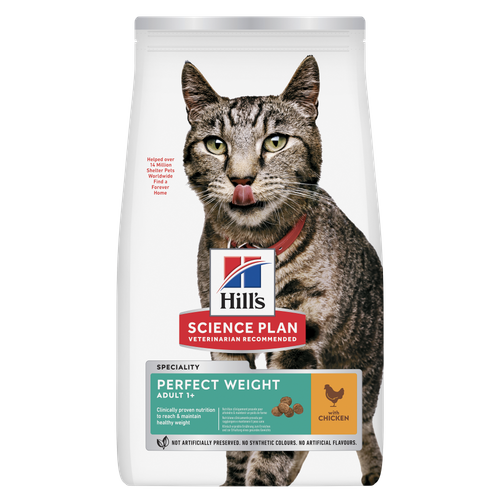
Perfect Weight Adult Cat Food with Chicken
Hill's Science Plan Perfect Weight Adult Cat Food with Chicken is clinically proven nutrition to reach & maintain healthy weight.
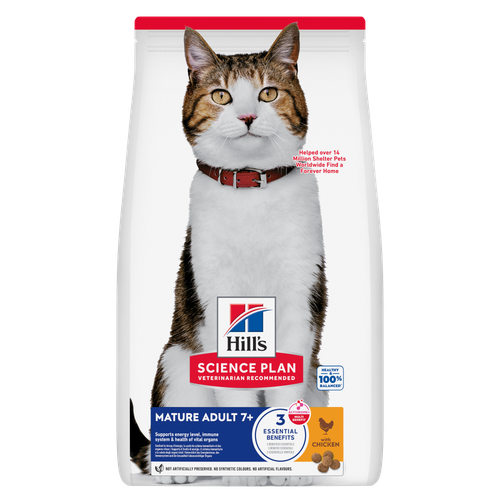
Mature Adult Cat Food
Hill's Science Plan Mature Adult Cat Food with Chicken is a complete pet food, specially formulated with ActivBiome+ Multi-Benefit Technology.
This food supports graceful aging in cats, providing a synergistic ingredient blend to help support energy & activity levels.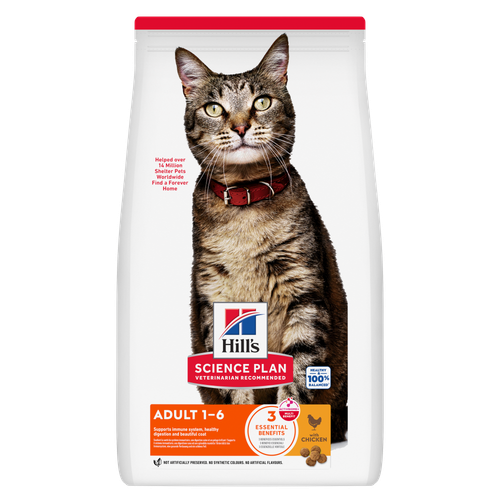
Adult Cat Food
Hill's Science Plan Adult Cat Food with Chicken is a complete pet food, specially formulated with ActivBiome+ Multi-Benefit Technology.
This food is specially formulated to fuel the energy needs of cats during the prime of their life.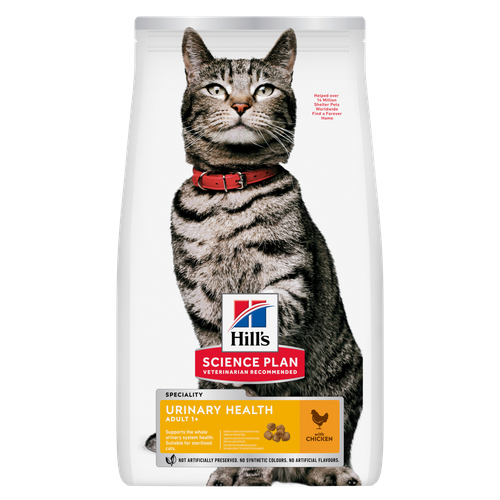
Urinary Health Adult Cat Food with Chicken
Hill's Science Plan Urinary Health Adult Cat Food with Chicken supports the health of the whole urinary system. Suitable for sterilised cats.
Related articles

Why Is My Cat Itching And Licking So Much?
Discover why your cat may be itching and licking excessively, and what it could mean. Get expert advice on feline healthcare at Hill's Pet.

Is your cat putting on weight?
Learn about the warning signs, symptoms, and treatments of cat obesity and weight management in cats and the conditions that affect on your cat.

Cat Allergic Dermatitis: Causes & Treatments
Learn about the causes of cat dermatitis, how to spot the symptoms and the best treatment options. Visit Hill's Pet for detailed guidance and tips.

What causes weight gain? | Hill's Pet
Being overweight puts a cat at risk of developing many serious health issues. Weight gain indicates an increase in body fat and usually results when your cat eats too much and exercises too little.

Put your cat on a diet without them knowing
Our low calorie formula helps you control your cat's weight. It's packed with high-quality protein for building lean muscles, and made with purposeful ingredients for a flavourful, nutritious meal. Clinically proven antioxidants, Vitamin C+E, help promote a healthy immune system.
Put your cat on a diet without them knowing
Our low calorie formula helps you control your cat's weight. It's packed with high-quality protein for building lean muscles, and made with purposeful ingredients for a flavourful, nutritious meal. Clinically proven antioxidants, Vitamin C+E, help promote a healthy immune system.