Hill's Science Plan Light Adult Wet Dog Food is a complete premium pet food for adult dogs that tend to gain weight easily. This deliciously smooth loaf is formulated to deliver the appropriate amount of energy to support weight maintenance in adult dogs.
Hill's Science Plan Large Breed Adult Dog Food with Lamb & Rice is a complete pet food, specially formulated with ActivBiome+ Multi-Benefit Technology.
This food is specifically designed to fuel the energy needs of large breed dogs during the prime of their life.
Precisely balanced nutrition with Hill's ActivBiome+ prebiotic blend actively contributes to supporting digestive health and overall wellbeing to help your pet feel their best
Hill's Science Plan Adult Cat Food with Chicken is a complete pet food, specially formulated with ActivBiome+ Multi-Benefit Technology.
This food is specially formulated to fuel the energy needs of cats during the prime of their life.
Hill's Science Plan CULINARY CREATIONS Adult cat food with Salmon & Carrots was formulated to provide a great-tasting experience to cats. Its delicious flavour and texture are combine with essential nutrients to support cats' optimal health during the prime time of their life. Specially formulated with high-quality salmon protein, essential taurine for heart health & balanced minerals to support kidneys & bladder.
Hill's Science Plan Senior Vitality Cat Food with Chicken & Rice provides precisely balanced nutrition that helps promote their everyday ability to get up and go.
In people, the right diet is very important. If you are eating the wrong way for your metabolism, activity level, age and lifestyle you could end up with health issues.
The government has announced that as of April 2016, all dogs in the UK must be microchipped by law.
Learn what your pet's microbiome is, how it contributes to your pet's gut and overall health, and why nutrition is important in maintaining healthy microbiomes.
There are many critical illnesses, from cancer to severe viral infections like Parvo diarrhea. All of these require careful management with nutrition. Let's explore how to care for a dog with cancer as one example, and how — with the right care and nutrition — you can support your friend through their fight.
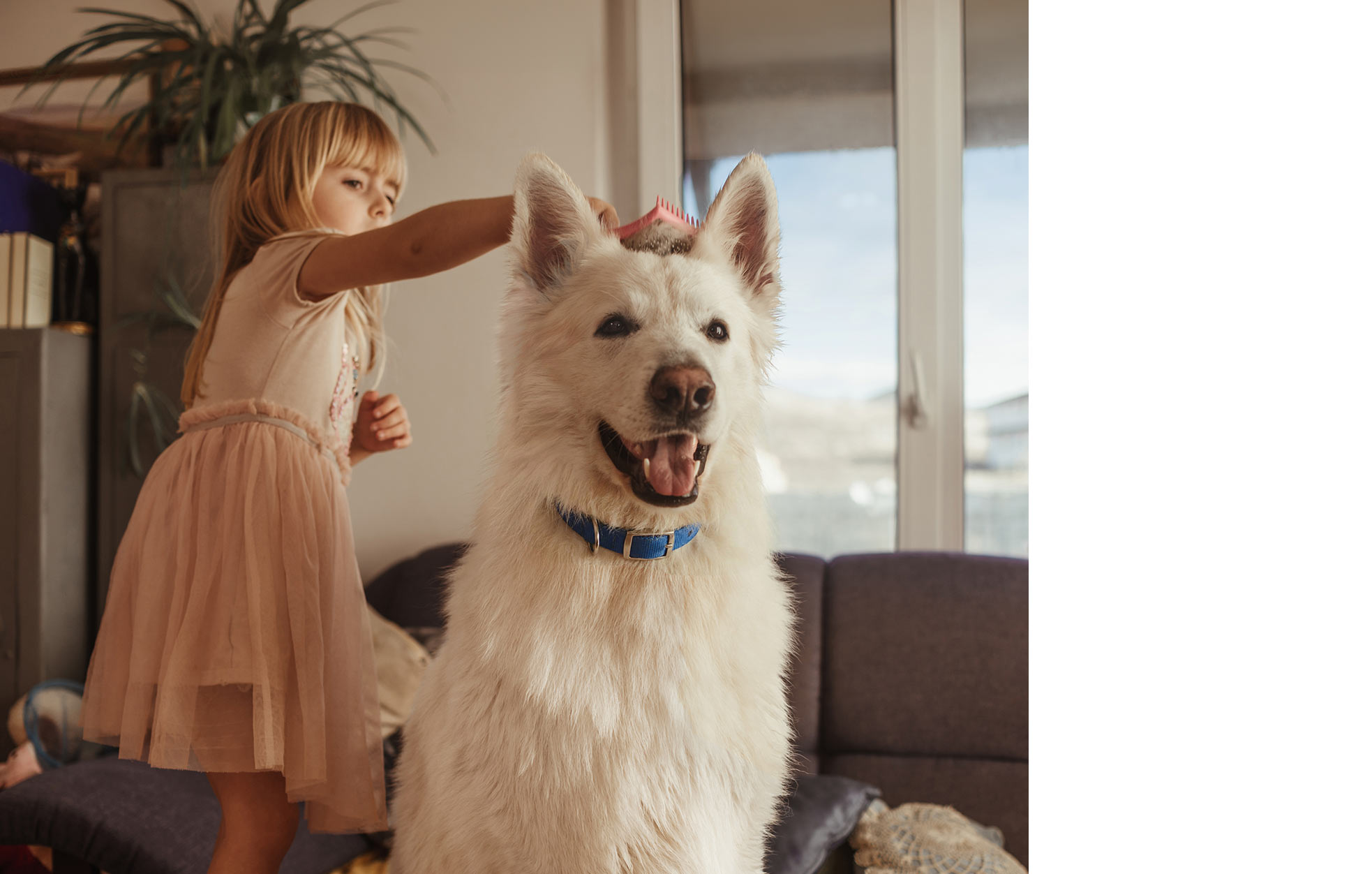
Critical illnesses can affect dogs of any breed, age, or size. However, some common risk factors can increase the likelihood of a dog developing a disease such as cancer, including:
A common and unfortunately deadly cancer often seen in the spleen
Develops almost anywhere in the body but is often visible as a skin lesion
Aggressive skin disease that develops in the mouth, eyes or foot pads
Most common in the bones of large dogs
A common and unfortunately deadly cancer often seen in the spleen
Develops almost anywhere in the body but is often visible as a skin lesion
Aggressive skin disease that develops in the mouth, eyes or foot pads
Most common in the bones of large dogs
Maintaining a pet’s nutrition can be a big factor in the fight against illness. Your vet is the best resource for a recommendation, but the best foods typically support some key dietetic goals:
Your veterinarian may prescribe medication to help your dog with related health issues, such as digestive care, pain management, etc.
Depending on your veterinarian’s recommendation, supportive medication, radiation, surgery, and other treatment for dogs may be considered.
Whether it’s a road trip, a walk in the park or snuggling on the couch, your pet’s best friend in this fight is you.
Your veterinarian may prescribe medication to help your dog with related health issues, such as digestive care, pain management, etc.
Depending on your veterinarian’s recommendation, supportive medication, radiation, surgery, and other treatment for dogs may be considered.
Whether it’s a road trip, a walk in the park or snuggling on the couch, your pet’s best friend in this fight is you.
You will need support from family, friends, and of course, your vet.
Learn all you can about your dog's diagnosis so you can be an advocate for the best care.
A vet that specializes in your dog’s disease can give the best care. Ask your vet for a referral to a local veterinary specialist.
If your dog’s condition is terminal, it can help to understand and assess their quality of life. Lap of Love has a quality-of-life assessment tool.
You will need support from family, friends, and of course, your vet.
Learn all you can about your dog's diagnosis so you can be an advocate for the best care.
A vet that specializes in your dog’s disease can give the best care. Ask your vet for a referral to a local veterinary specialist.
If your dog’s condition is terminal, it can help to understand and assess their quality of life. Lap of Love has a quality-of-life assessment tool.
Here are some useful things to ask during your next vet visit:
Contact your vet if you have any questions related to restorative care.
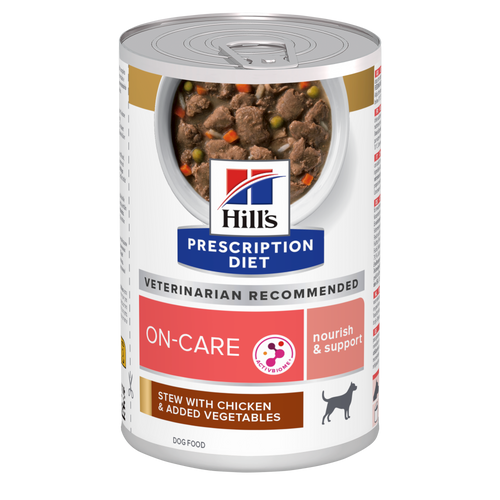
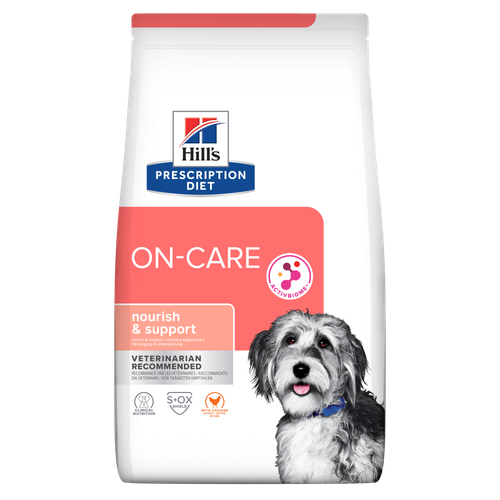
Clinical nurition designed to nourish and support dogs needing extra nutritional support for quality of life
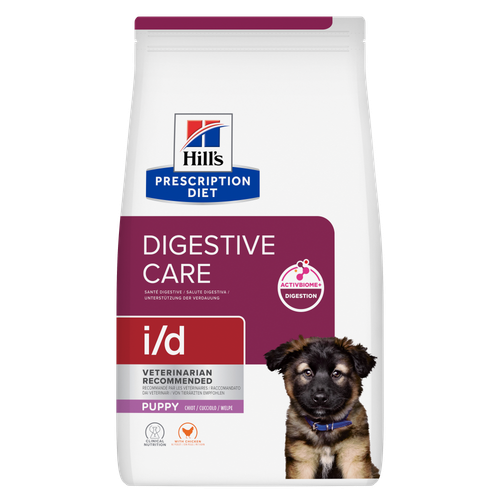
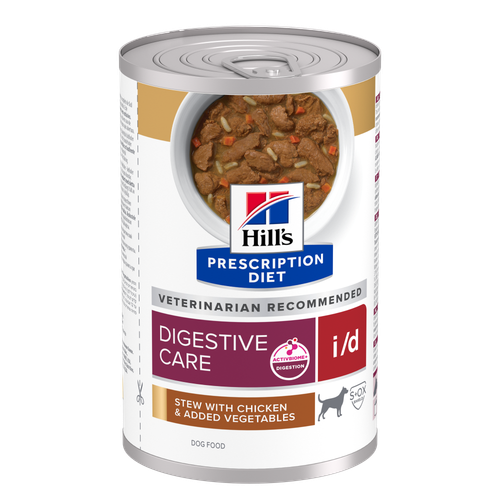
Highly digestible nutrition clinically proven to nourish the gut microbiome and help reduce digestive upsets. Fortified with Hill's ActivBiome+ ingredient technology, a proprietary blend of prebiotics, clinically shown to rapidly nourish the gut microbiome to support digestive health and well-being.
Complete dog food designed to nourish and support dogs needing extra nutritional support for quality of life
Highly digestible nutrition clinically proven to nourish the gut microbiome and help reduce digestive upsets. Fortified with Hill's ActivBiome+ ingredient technology, a proprietary blend of prebiotics, clinically shown to rapidly nourish the gut microbiome to support digestive health and well-being.
Learn about dog food allergies, including their symptoms and treatments. Discover more insights and care tips at Hill's Pet.
Avoiding joint problem flare-ups can be as easy as A-B-C!
Did you know that an obese pet is defined as being 15% or more over its ideal weight? That translates into a mere 330 grams for a tiny dog like a Chihuahua, but over 7.5 kilograms for a Rottweiler.
Find out why you're seeing blood in your dog's stool. Noticing blood can be hugely worrying, but there are some common causes you can keep an eye out for.