
Stress in cats
Stress in cats
What causes stress in cats?
While GI or urinary issues are noticeable, cats are likely also experiencing stress hiding in plain sight. There are multiple factors that can cause stress.
- Changes in the home environment
- Inconsistency in routine
- Underlying health condition or pain
- Boredom
- Mishandling
- Adversarial relationships with other pets
- Noisy events
Be sure to monitor your cat’s behavior and note any changes to discuss with your vet if you suspect your cat is stressed.


What are the hidden signs of stress?
Even when the signs are visible, it’s easy to overlook a pet’s hidden stress. Urinary signs are the most noticeable of hidden stress signs, so you might be wondering if your cat is stress peeing or if stress can cause urinary problems. If you notice any of these signs, it’s important to make an appointment with your veterinarian.

Managing your pet’s stress
If you suspect your cat is stressed, the first step should be a visit to your veterinarian. They can provide you with guidance and information about how to manage stress in cats. Along with information, they may recommend nutrition or medication to help manage your cat’s stress.

At home
Providing your cat with consistency can help alleviate some stress. Here are some tips to help keep your cat calm at home:
- Always provide clean litter trays and plenty of fresh water. Don't forget to keep litter trays and food in separate areas.
- In multi-cat households, provide enough food, water and litter trays for each cat.
- Create a playground to keep them entertained and satisfy their urge to scratch.
- Pay attention to their body language before touching or handling them.
- Cats love to climb up high, help them reach new heights and find a window seat where they can watch the world outside.

Medication
In addition to behavioural and environmental accommodations, a vet may prescribe medication to help manage your cat’s stress. If you are looking for medications to give your cat, consult with your vet first. Over-the-counter medications should only be used as recommended by your vet.

Nutrition
Ask your vet for a nutritional recommendation that can help manage signs of emotional imbalance to improve the quality of life for cats.
"An epidemic hiding in plain sight" - A behaviourist perspective on stress in cats

Finding the right nutrition to help manage emotional balance
Talk to your vet about the right food for your cat
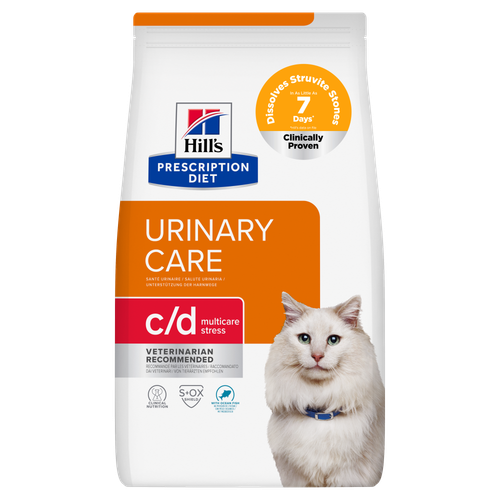
c/d Multicare Stress Cat Food
Nutrition clinically proven to lower the recurrence of the most common urinary signs by 89%. With ingredients to control stress.

c/d Multicare Cat Food
Nutrition for a great reduction in common urinary signs
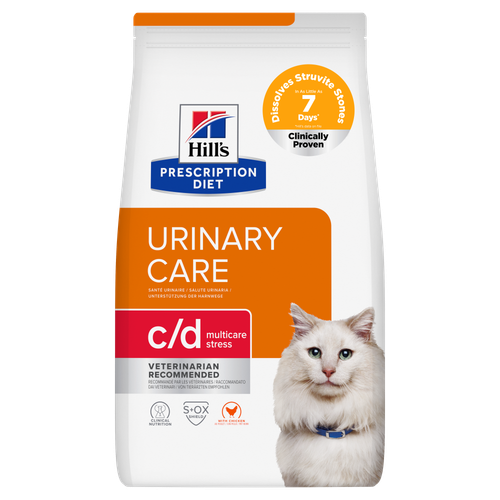
c/d Multicare Stress Cat Food
Nutrition clinically proven to lower the recurrence of the most common urinary signs by 89%. With ingredients to control stress.

c/d Multicare Cat Food
Nutrition for a great reduction in common urinary signs