


Given the opportunity, many pets will happily accept (or beg for) human foods like ham and other pork products, especially around holidays like Easter or Christmas. But can dogs (or cats) eat ham? Are these foods safe for your furry friends?
Although pets love to eat ham and other preserved pork items, many veterinarians will advise against feeding them to your dog or cat. Let's take a closer look at pork products and why they may not be the best foods to feed your furry family members.
Why Do Pets Enjoy Ham and Other Pork Products?
Pets love the rich, salty taste of ham, and not just the standard baked ham. While pondering whether or not your dog or cat can eat ham, keep in mind that most pets will happily eat all types of ham, such as honey-baked, smoked or deli-cut. Also, take into consideration other preserved pork foods that may tempt your pet, including hot dogs (a perennial favourite), sausages, brats, bacon, pepperoni, prosciutto and salami.
The two main flavour profiles that make these pork products so appealing to pets (and to you) are what make the food potentially dangerous: salt and fat. "Salty" is one of the four main taste categories that dogs and cats both have (sweet, sour and bitter are the others), but their strong sense of smell also attracts them to rich foods like ham, especially when heated.

It's no surprise that your pet savours the one-two punch of salt and fat in ham, but these ingredients aren't what you'd call "healthy" for your dog or cat and, when ingested in excess, can cause medical issues.
Salts and Fats: Quick Nutrition Facts
Ham and other processed pork products contain a lot of sodium chloride because salt is commonly used to preserve the meat. While some salt is necessary for essential functions and fluid balance in the body, excessive levels are not good for your pet’s health. When consumed in large amounts, sodium chloride can be detrimental to pets with health conditions such as kidney disease or heart disease.
Like salt, fat is also important to your pet's diet; it's a good source of energy and fatty acids. In fact, it is sometimes advised to place pets on high-fat meal plans to aid certain health conditions, support pregnancy, or help underweight pets to gain weight. Keep in mind that this should only be done under the supervision of your veterinarian, and that the high-fat food must be part of a balanced nutritional plan.
Has Your Pet Had Too Much Pork?
Similar to salt, too much fat can result in health problems for dogs and cats. Dogs who eat high-fat foods, for example, can develop pancreatitis (inflammation of the pancreas). Excessive fat intake can also contribute to obesity in pets, a problem that the Pet Food Manufacturers’ Association (PFMA) warns is on the rise. They point out that obesity is commonly associated with other health conditions in pets, like arthritis, diabetes, gastrointestinal problems and liver problems.


Tasty Tips
Are Raw Pork Products Safe?
Most shop-bought ham products come preserved, but some ham is sold as "fresh," meaning it’s not cooked. So, are uncooked ham and pork products, like bacon and pork roasts, a healthier option? Feeding pets raw pork products is potentially very dangerous, because it can be source of the Aujeszky's virus, which may cause fatal disease in dogs and cats.

Besides this, one of the most common risks associated with feeding raw meats is bacterial infection (such as E. coli and Salmonella). "Even with proper food preparation and handling of stools, the risk of bacterial contamination and infection of both pets and humans in the household is a real risk," explains the World Small Animal Veterinary Association. Not only does this potentially put your pet's health at risk, but it can potentially put your family's health at risk too. Additional dangers can include parasitic and protozoal infections, many of which can be life threatening. There is also the risk of nutritional deficiencies if meals are not properly balanced. So, in short, if you're considering feeding any meat to your pet (ham or otherwise), never feed them raw animal protein sources. It’s just not worth the risk.
Is It Safe to Give My Pet Medication Using Ham?
Ham and other pork products should only ever be fed to your dog or cat on the advice of your veterinarian. Hiding a pill in deli ham to help your cat or dog swallow it may be okay in some instances, as long as you only use small quantities. However, your veterinarian should still assess your dog or cat's particular situation before you do so to ensure that even small amounts of ham do not pose a risk to your pet's health.
What Are Healthy Alternatives to Pork?
It's always best to choose healthy, properly balanced dog and cat foods to feed your pet and use dog or cat treats as the occasional reward. While there are a number of foods that can be healthy "treats" (such as certain fruits and vegetables), making sure your pet gets the right amount of nutrients and calories each day is most important for keeping them happy and healthy. That’s why a proper commercial pet food is recommended. If you're still set on offering your pet some human food as an occasional treat, speak to your veterinarian first. They can provide you with a couple of healthy alternatives that won't unbalance your pet's diet or cause concern for their health.
It may be difficult to deny your fur baby some ham from your plate or a hot dog from the barbeque, but it's the right thing to do for their health. It’s best to keep them on a consistent meal plan with properly balanced dog or cat food. "Extra" food from the table has its own inherent risks in terms of whether or not pets can properly digest it, but it also adds calories to their daily intake. Those extra calories can lead to weight gain, and becoming overweight comes with its own potential host of health problems. So, while you may be tempted to "treat" your dog or cat with some ham or another pork product, it's best to stick to healthy, balanced pet food and treats specially formulated for your dog or cat.

Related products
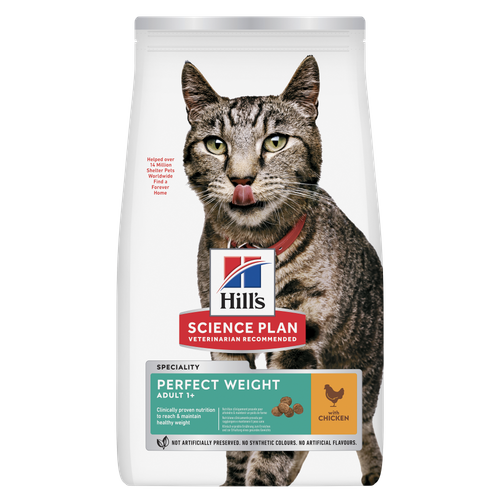
Perfect Weight Adult Cat Food with Chicken
Hill's Science Plan Perfect Weight Adult Cat Food with Chicken is clinically proven nutrition to reach & maintain healthy weight.
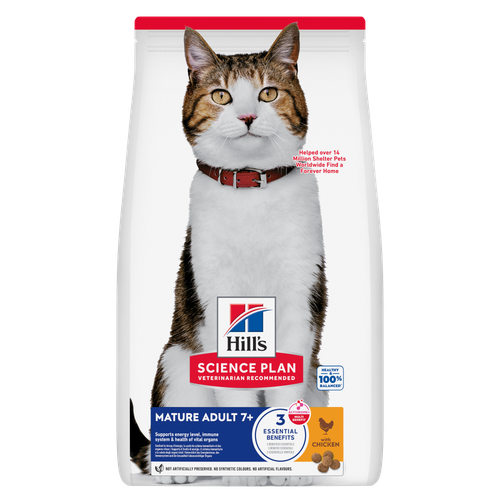
Mature Adult Cat Food
Hill's Science Plan Mature Adult Cat Food with Chicken is a complete pet food, specially formulated with ActivBiome+ Multi-Benefit Technology.
This food supports graceful aging in cats, providing a synergistic ingredient blend to help support energy & activity levels.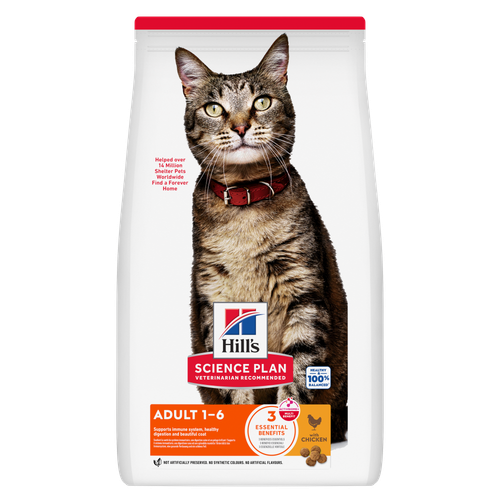
Adult Cat Food
Hill's Science Plan Adult Cat Food with Chicken is a complete pet food, specially formulated with ActivBiome+ Multi-Benefit Technology.
This food is specially formulated to fuel the energy needs of cats during the prime of their life.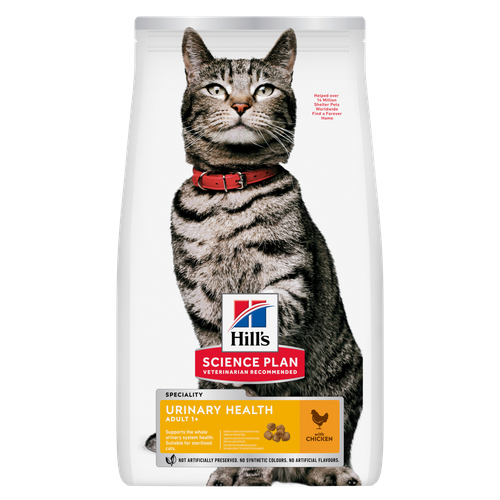
Urinary Health Adult Cat Food with Chicken
Hill's Science Plan Urinary Health Adult Cat Food with Chicken supports the health of the whole urinary system. Suitable for sterilised cats.
Related articles

The Incredible Science Behind Your Pet's Microbiome
Learn what your pet's microbiome is, how it contributes to your pet's gut and overall health, and why nutrition is important in maintaining healthy microbiomes.

Microchipping: The Facts | Hill's Pet
The government has announced that as of April 2016, all dogs in the UK must be microchipped by law.

Pet Nutrition: What Makes "Healthy" Pet Food Healthy? | Hill's Pet
In people, the right diet is very important. If you are eating the wrong way for your metabolism, activity level, age and lifestyle you could end up with health issues.

Proteins
To make a protein, amino acids are linked together in a long chain. The chain is then bundled into to a three-dimensional structure, like a tangled ball of yarn.

Put your pet on a diet without them knowing
Our low calorie formula helps you control your pet's weight. It's packed with high-quality protein for building lean muscles, and made with purposeful ingredients for a flavourful, nutritious meal. Clinically proven antioxidants, Vitamin C+E, help promote a healthy immune system.
Put your pet on a diet without them knowing
Our low calorie formula helps you control your pet's weight. It's packed with high-quality protein for building lean muscles, and made with purposeful ingredients for a flavourful, nutritious meal. Clinically proven antioxidants, Vitamin C+E, help promote a healthy immune system.